The Office of public consultation of Montreal (OCPM) has unveiled the results of its strategic planning process, setting out a renewed vision and a new roadmap for the years 2026–2030. This milestone marks an important step in the organisation's evolution, coming nearly 25 years after its creation, as it seeks to consolidate and modernise its approach to public participation.
An independent body, the OCPM is responsible for carrying out the public consultation mandates entrusted to it by the City of Montreal, and has built its reputation on the principles of an impartial, transparent and credible process. Its new strategic plan is the outcome of several months of work that brought together residents, partners, commissioners and internal teams in order to cross perspectives and enrich a shared reflection.
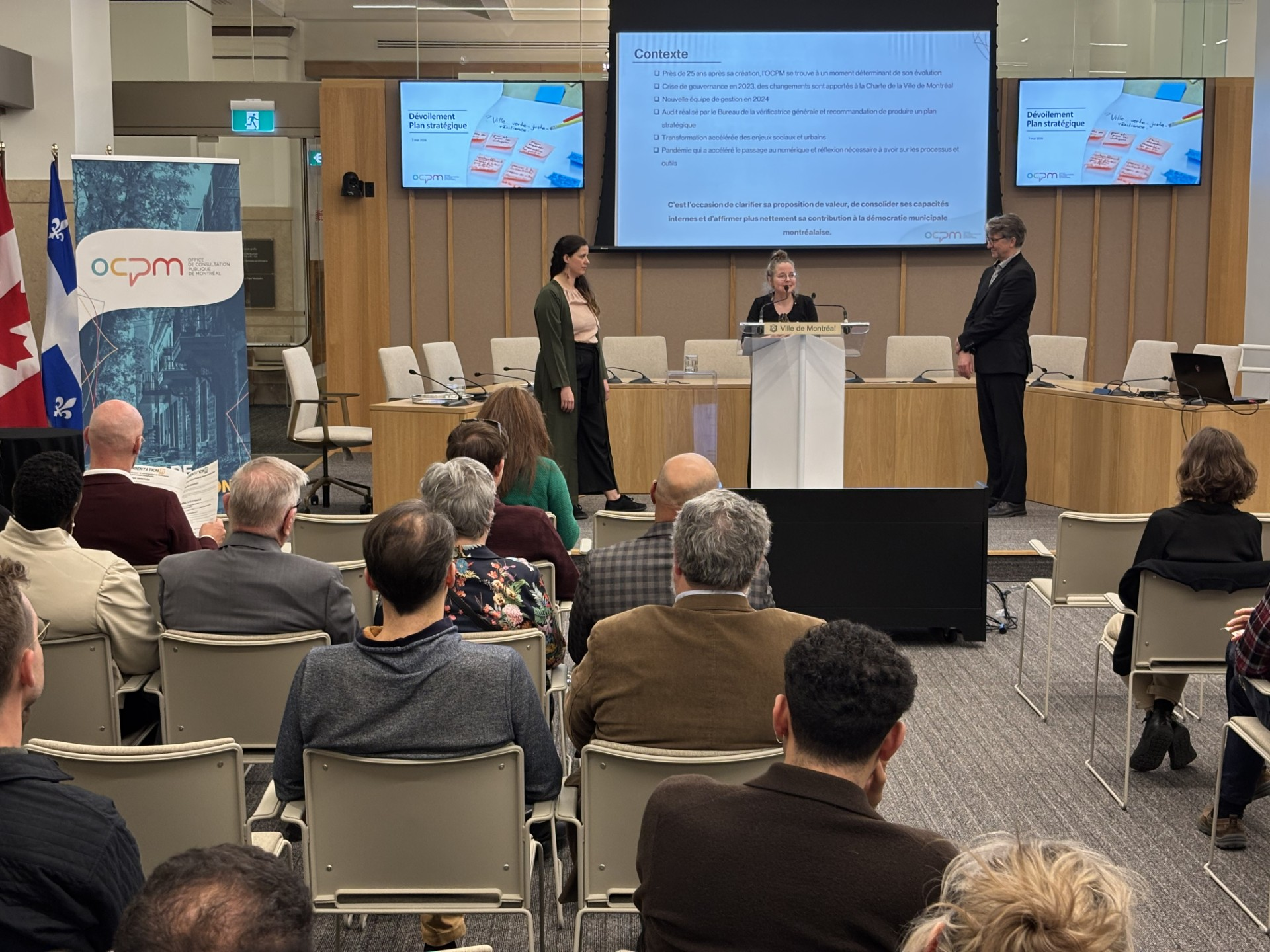
This collaborative process yielded two central conclusions. First, it confirmed the continued relevance and credibility of the OCPM in the eyes of both the population and its partners. Second, it highlighted the need to evolve the organisation's practices towards public participation that is more accessible, inclusive and transparent.
The resulting roadmap sets out three main priorities: improving the public's understanding of consultation processes, diversifying the voices that are heard, and making the impact of consultation recommendations more visible. Together, these objectives aim to ensure that public participation in Montreal is not only broad and representative, but also meaningful, with a clearer connection between citizens' contributions and the decisions that follow.
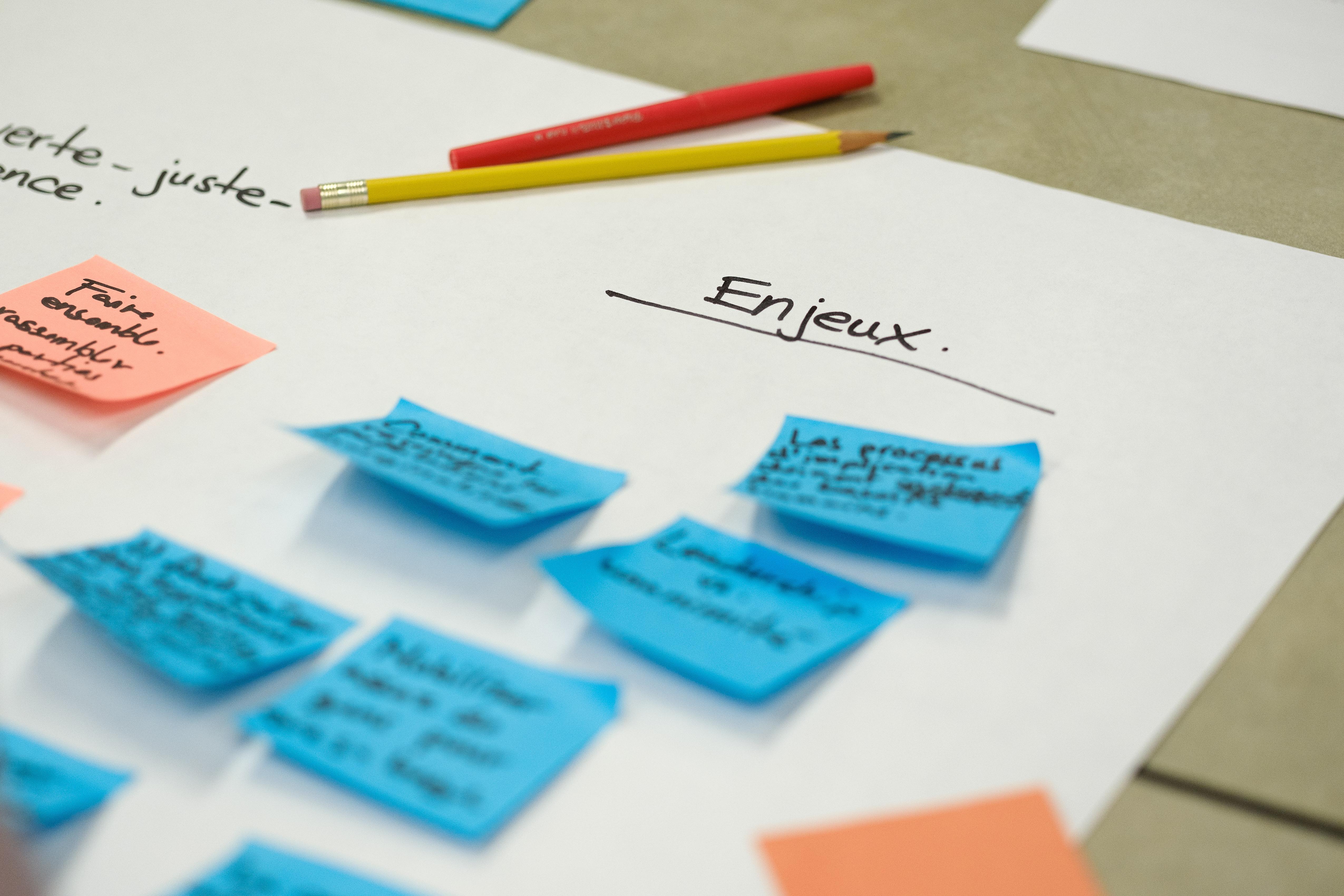
The plan owes much of its richness to the extensive contribution of residents and partners, without whom the exercise could not have reflected realities on the ground so faithfully. The process gathered more than 500 completed questionnaires, brought together around one hundred people and included some thirty activities. It generated over 2,000 elements of vision alongside 725 organisational observations, providing the basis for a substantial and well-structured reflection.
For the OIDP, this initiative is particularly meaningful. The OCPM's renewed vision illustrates how institutions dedicated to public consultation can continue to strengthen participatory democracy by making their processes more understandable, inclusive and accountable. By committing to diversify the voices it hears and to render the impact of recommendations more visible, the OCPM addresses two of the most persistent challenges facing participatory institutions: reaching beyond the usual participants and demonstrating that participation genuinely shapes public decisions.
As with any strategic plan, its success will ultimately depend on its implementation. Its ambition lies less in the breadth of its commitments than in its capacity to renew a participation model that has matured over nearly a quarter of a century, and to ensure that public consultation in Montreal remains responsive to the needs and expectations of an evolving society. In this sense, the OCPM's new strategic plan represents a further step towards a more accessible, inclusive and transparent culture of public participation.
To learn more about the strategic planning process, the following documents are available on the OCPM website (in French):





 Join the OIDP